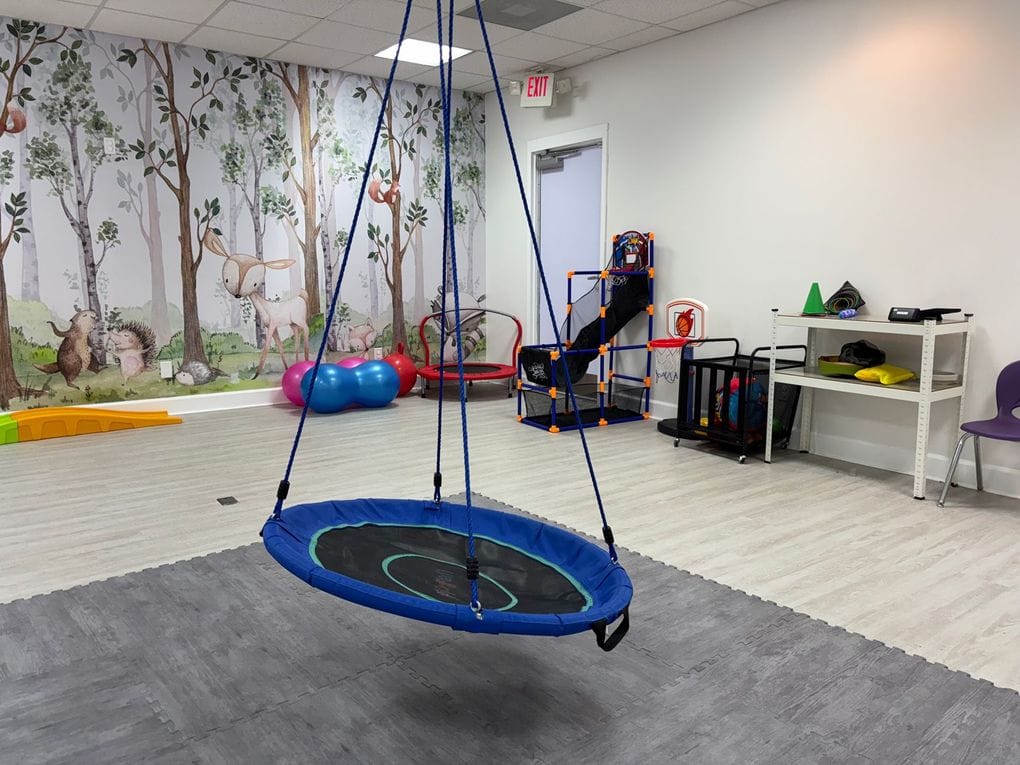
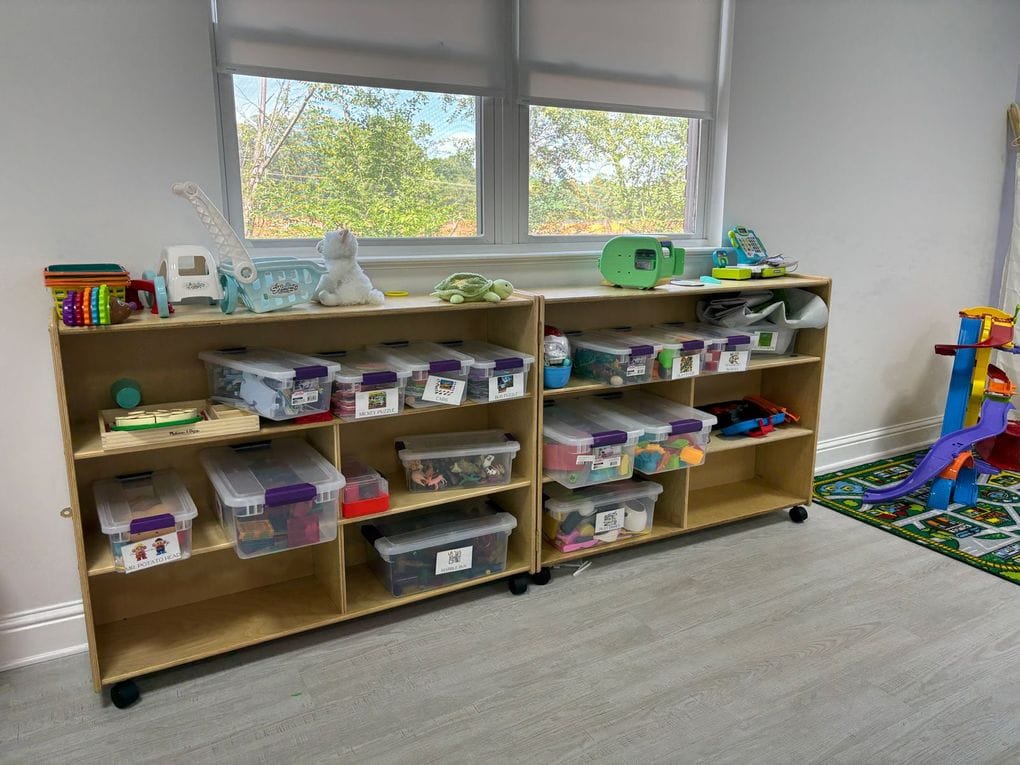
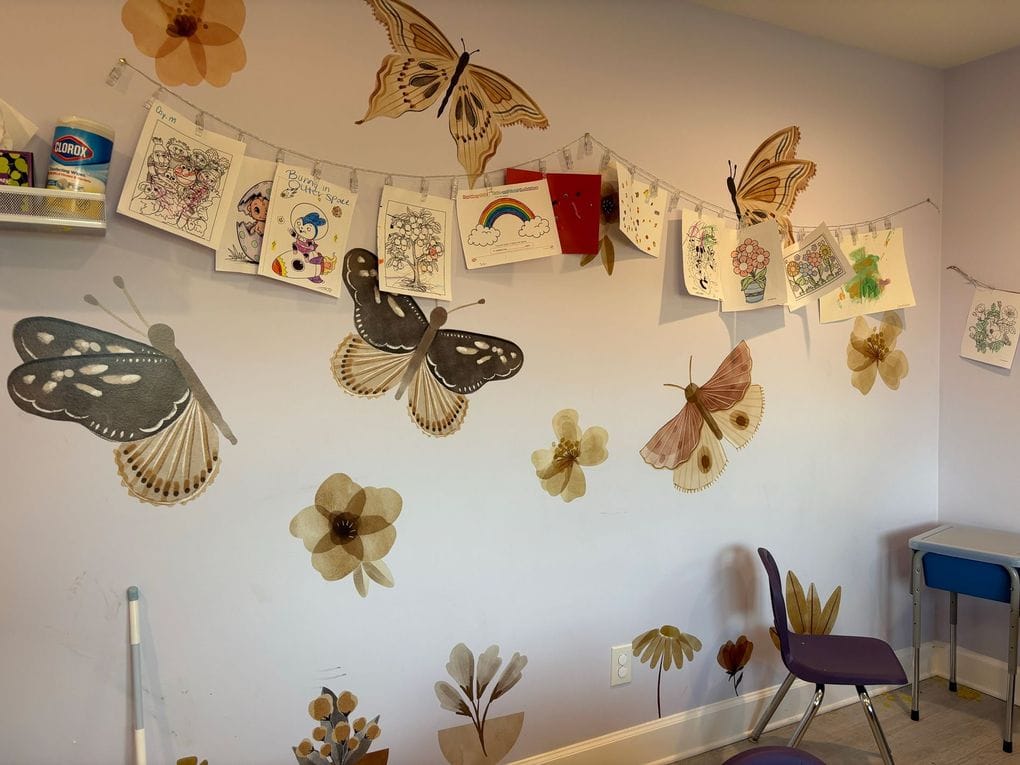
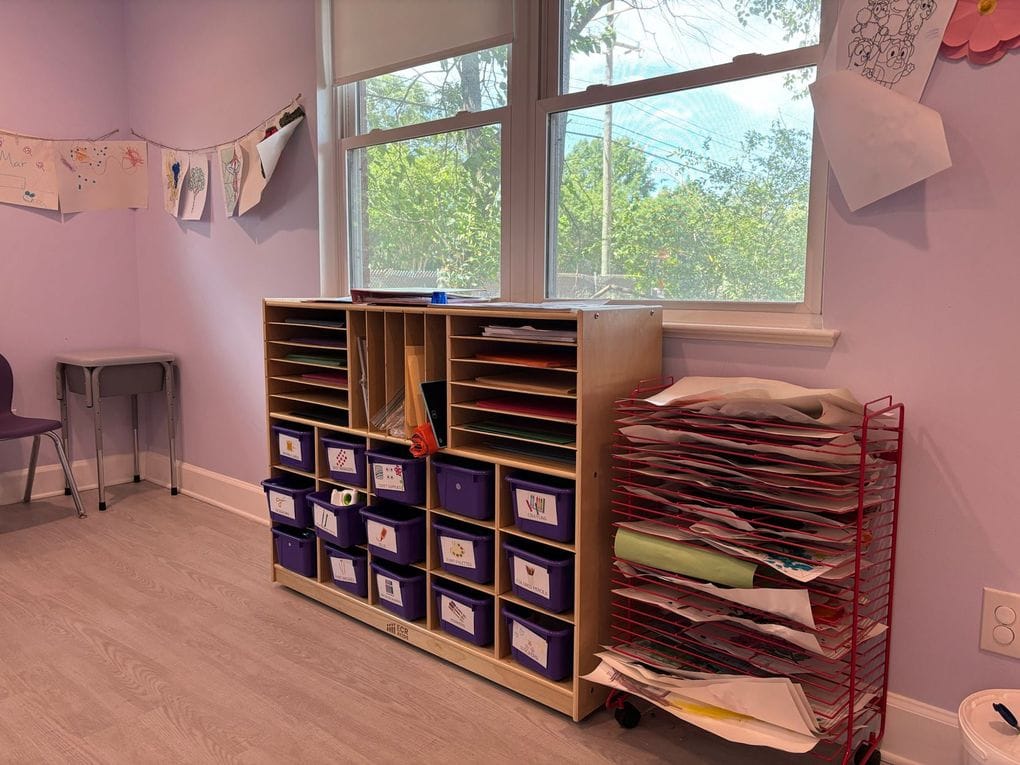
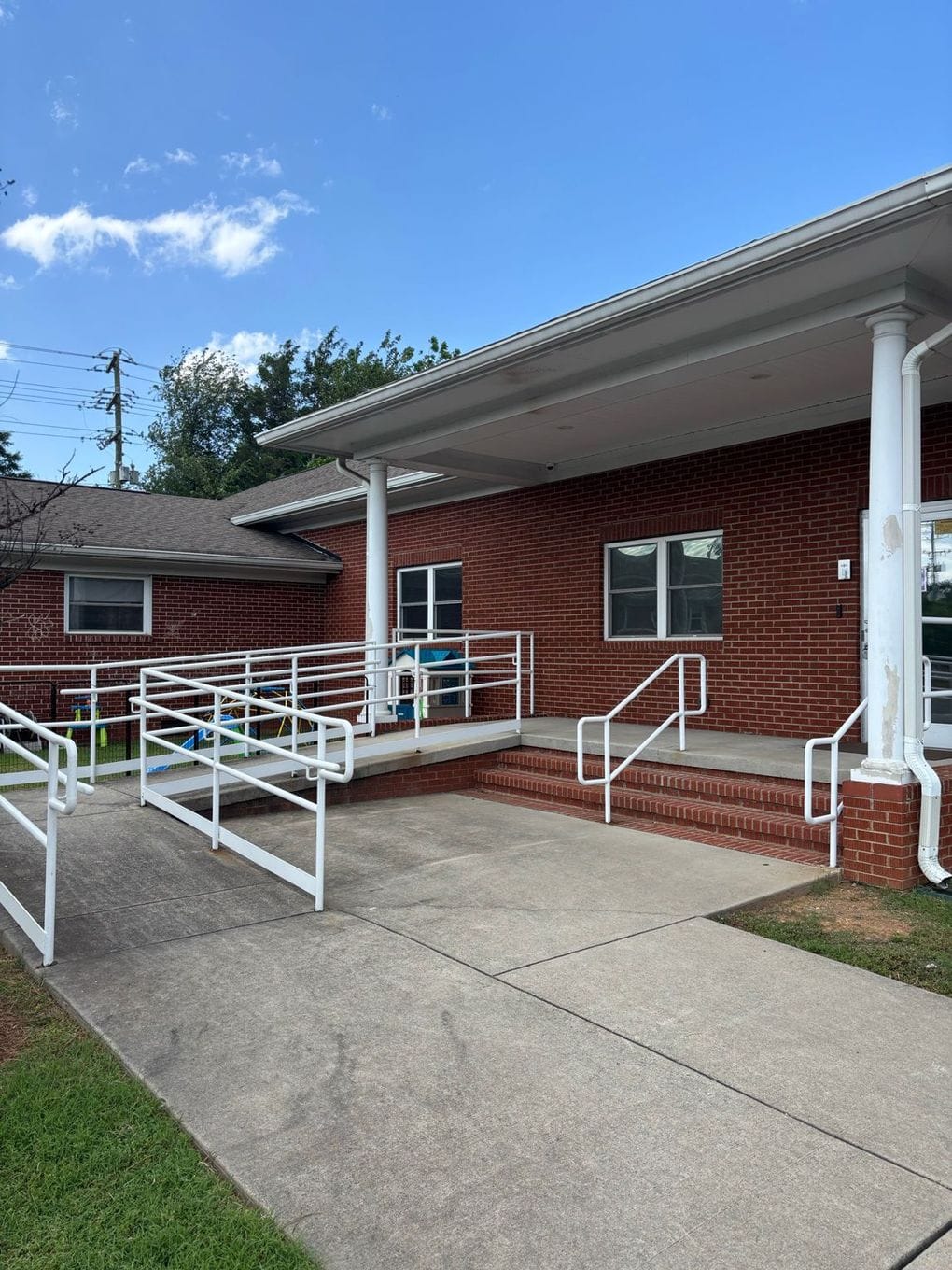
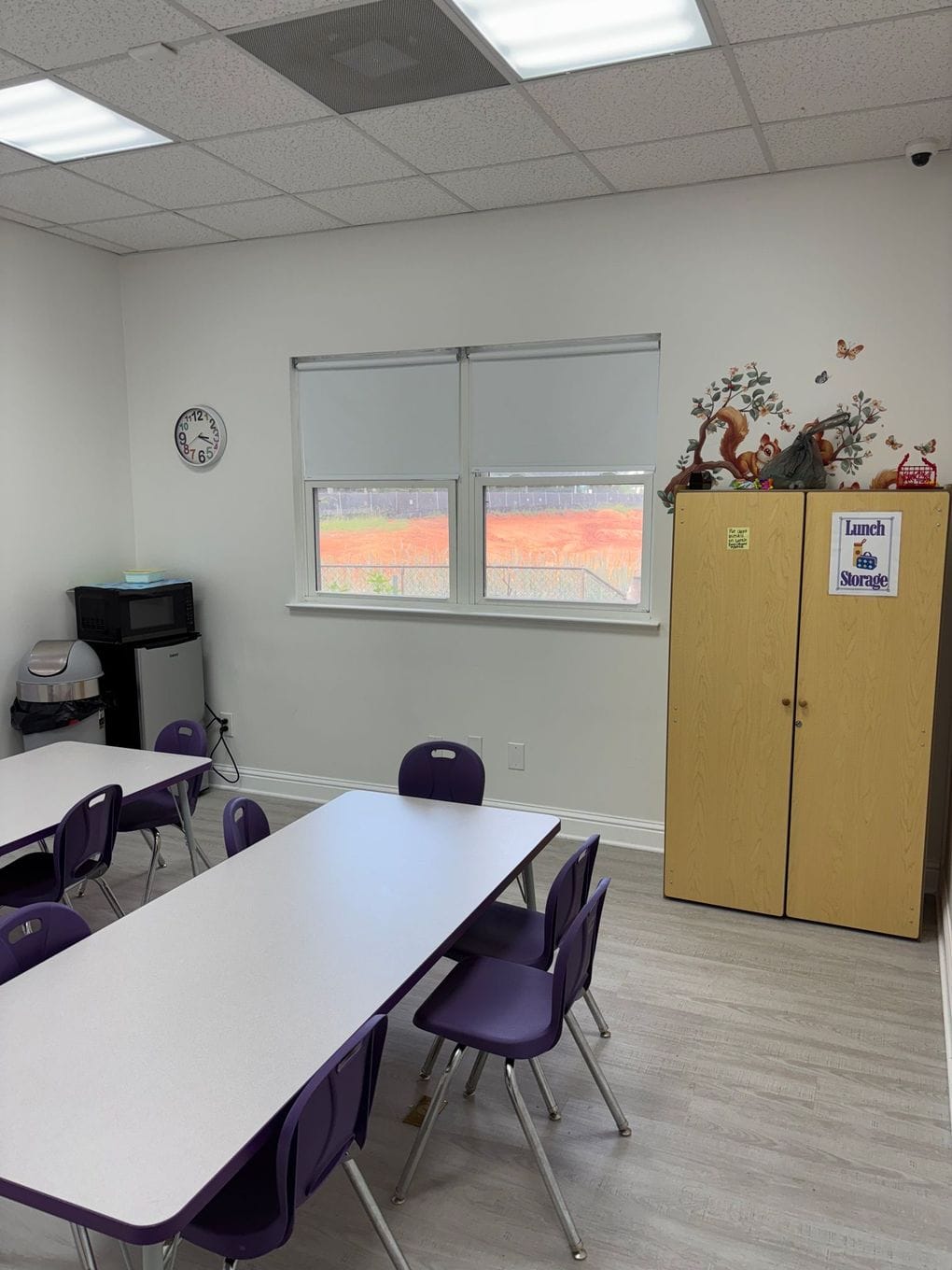
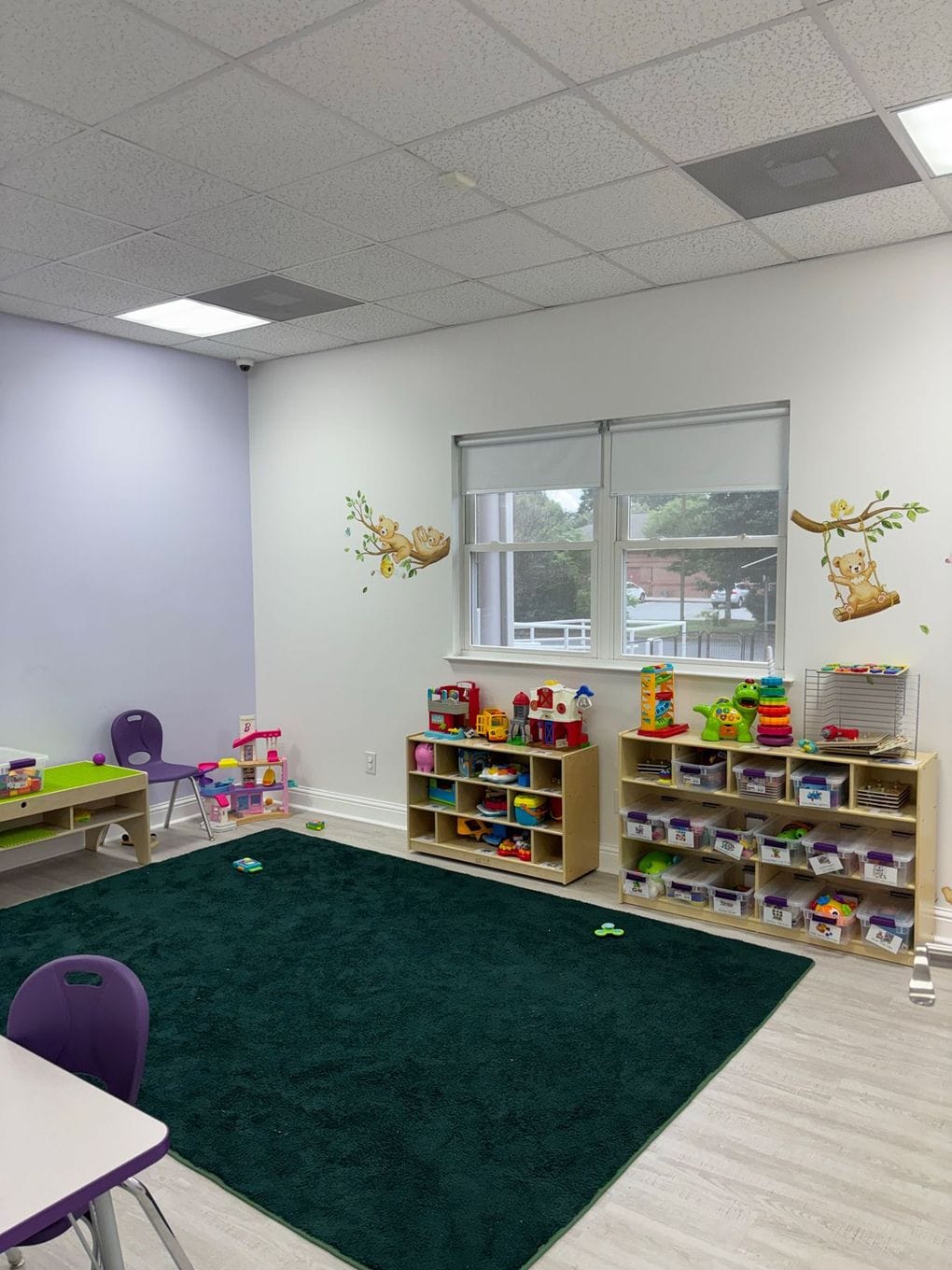
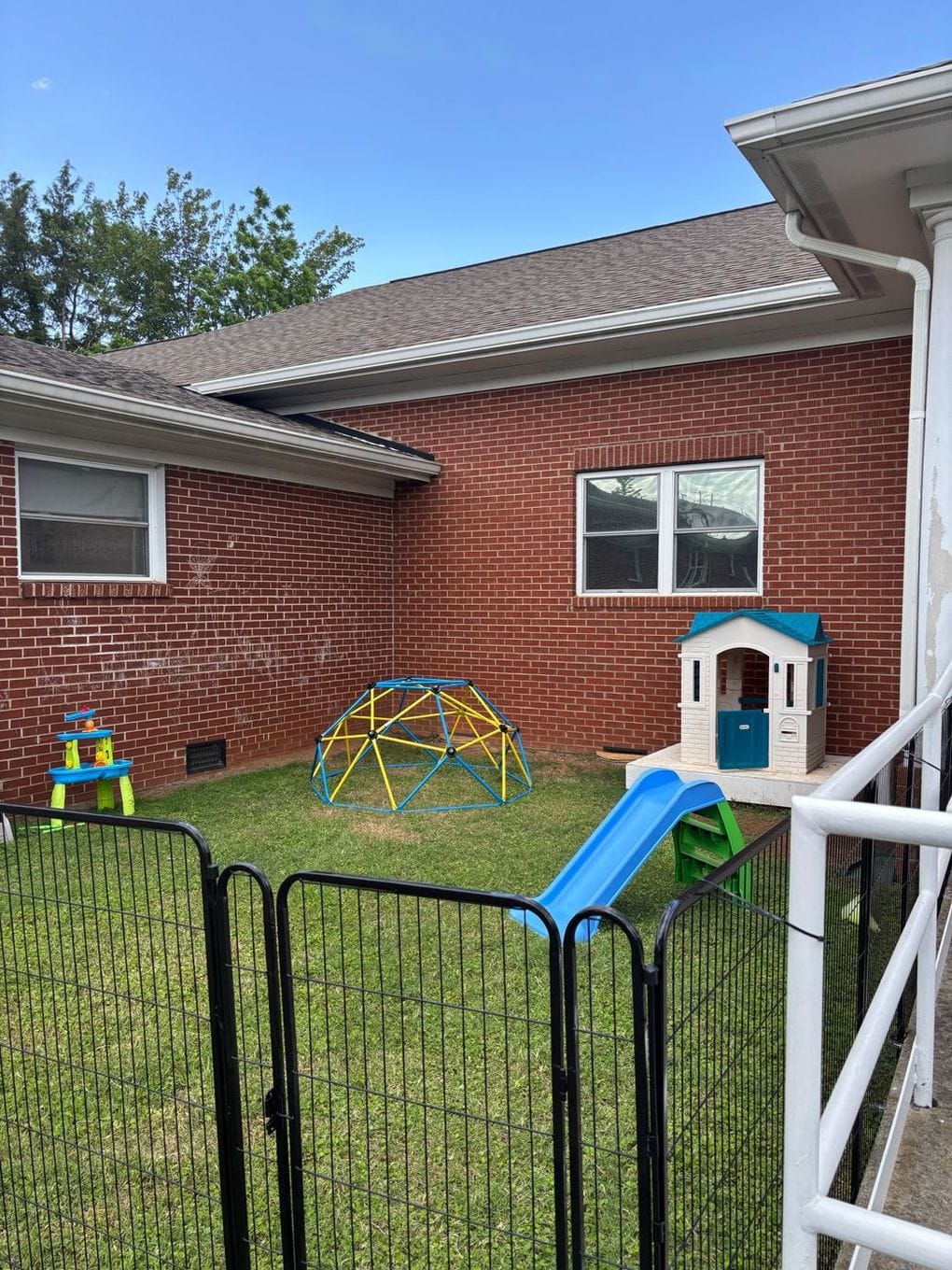
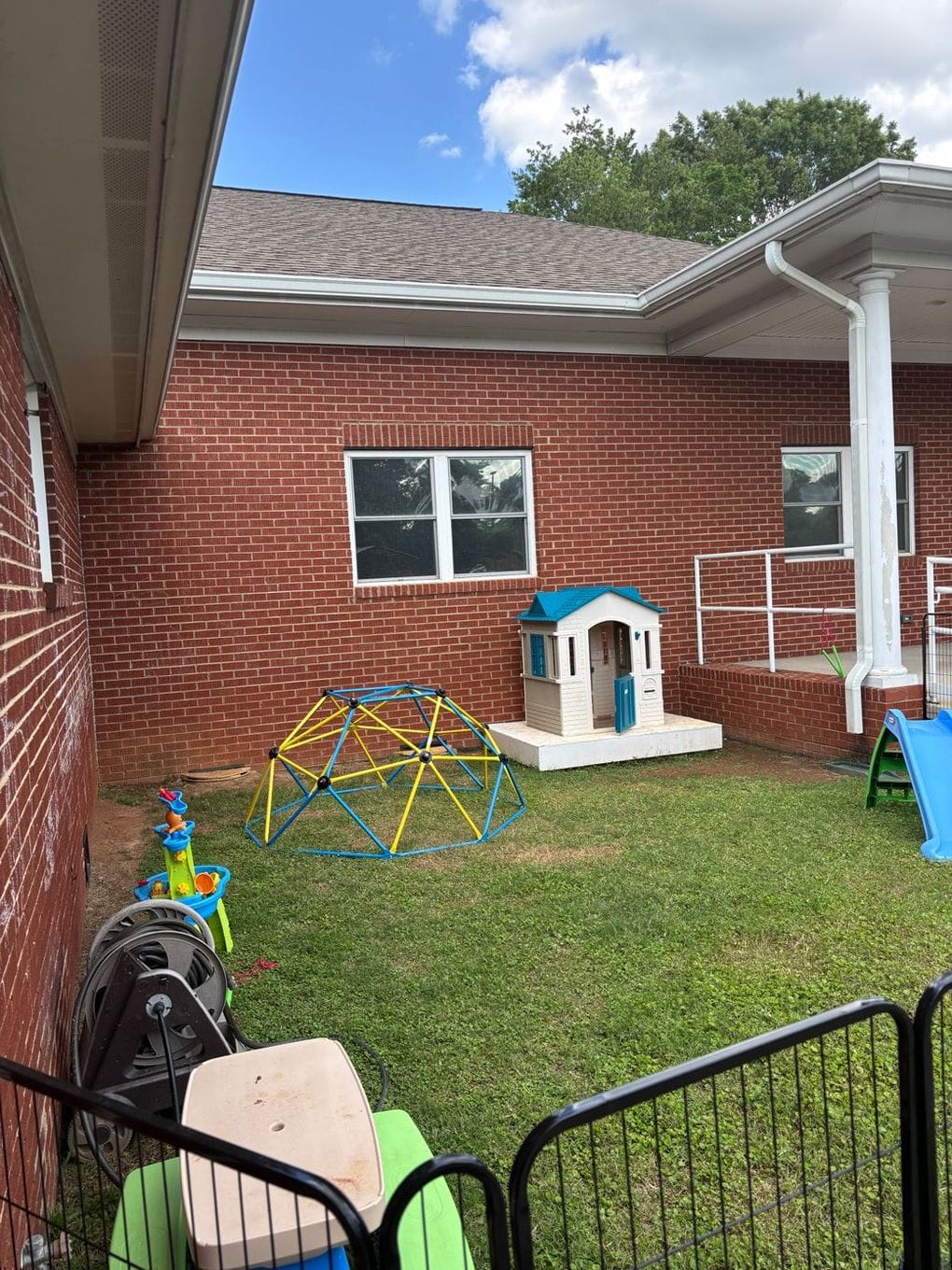
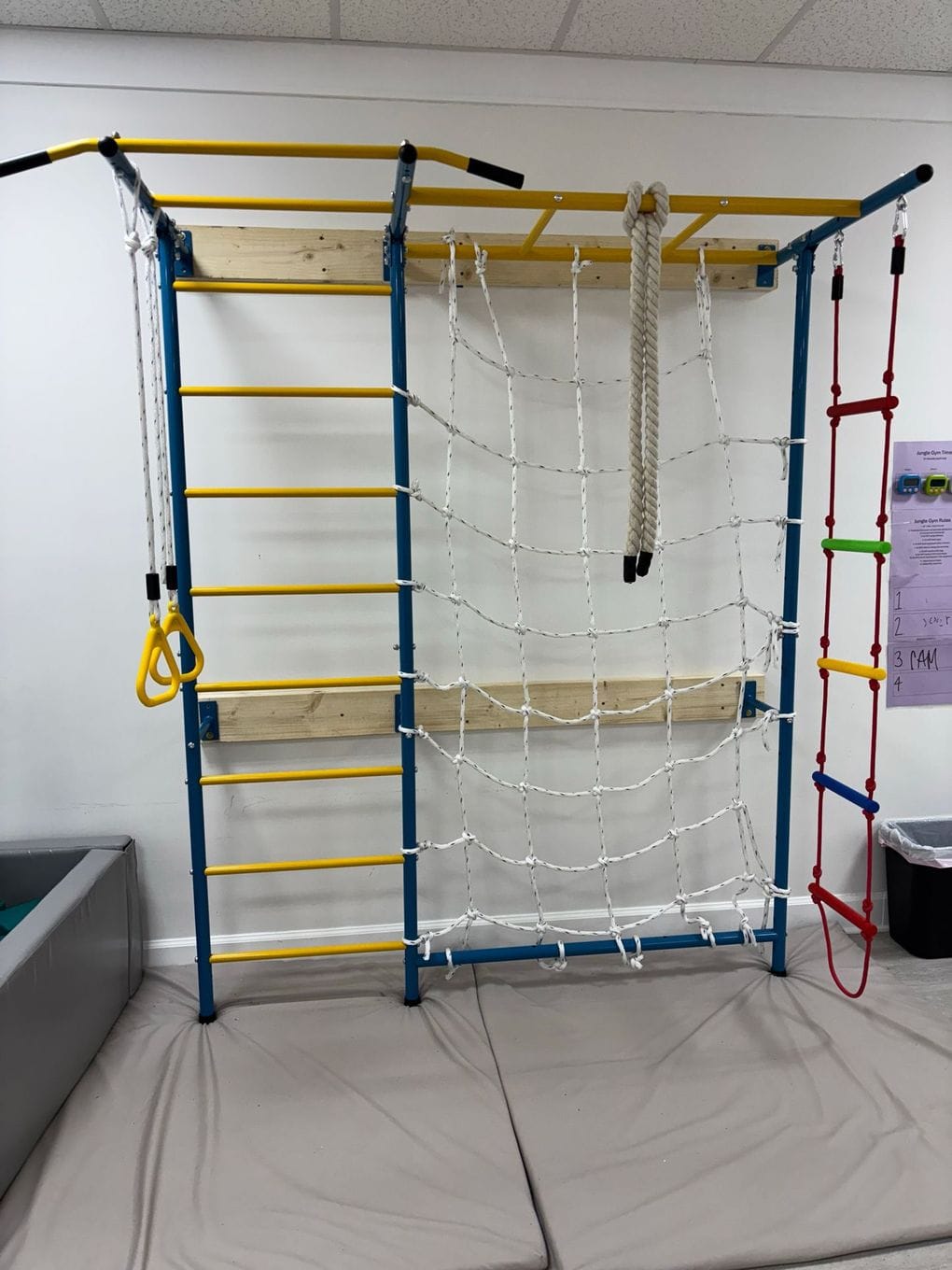
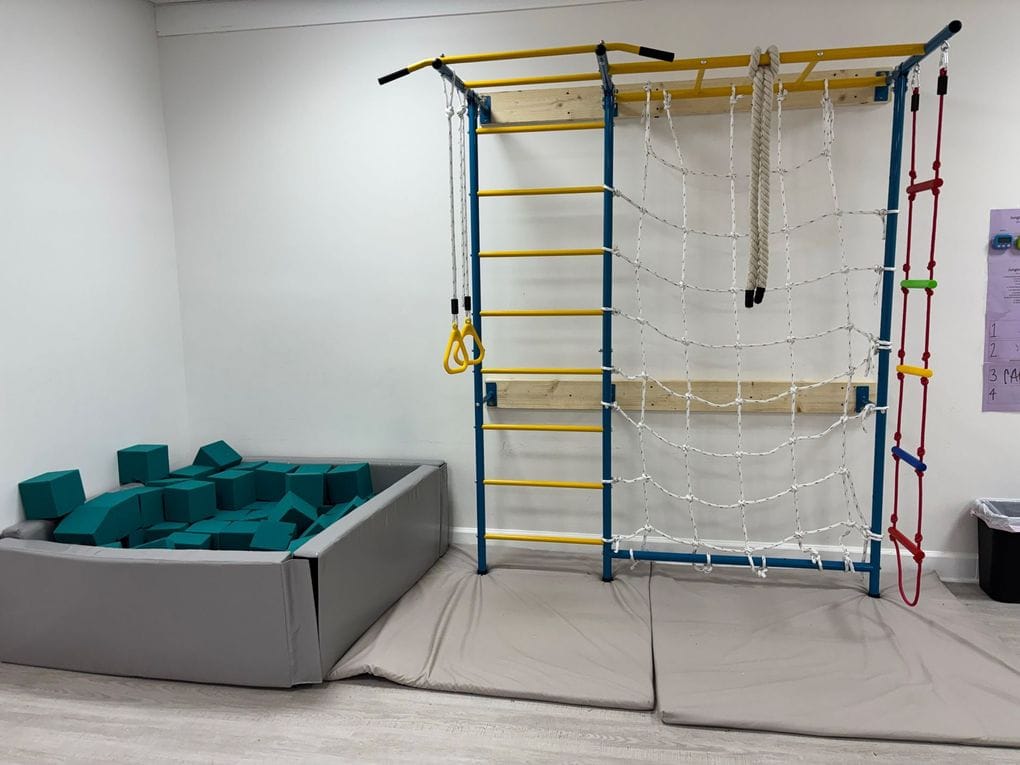
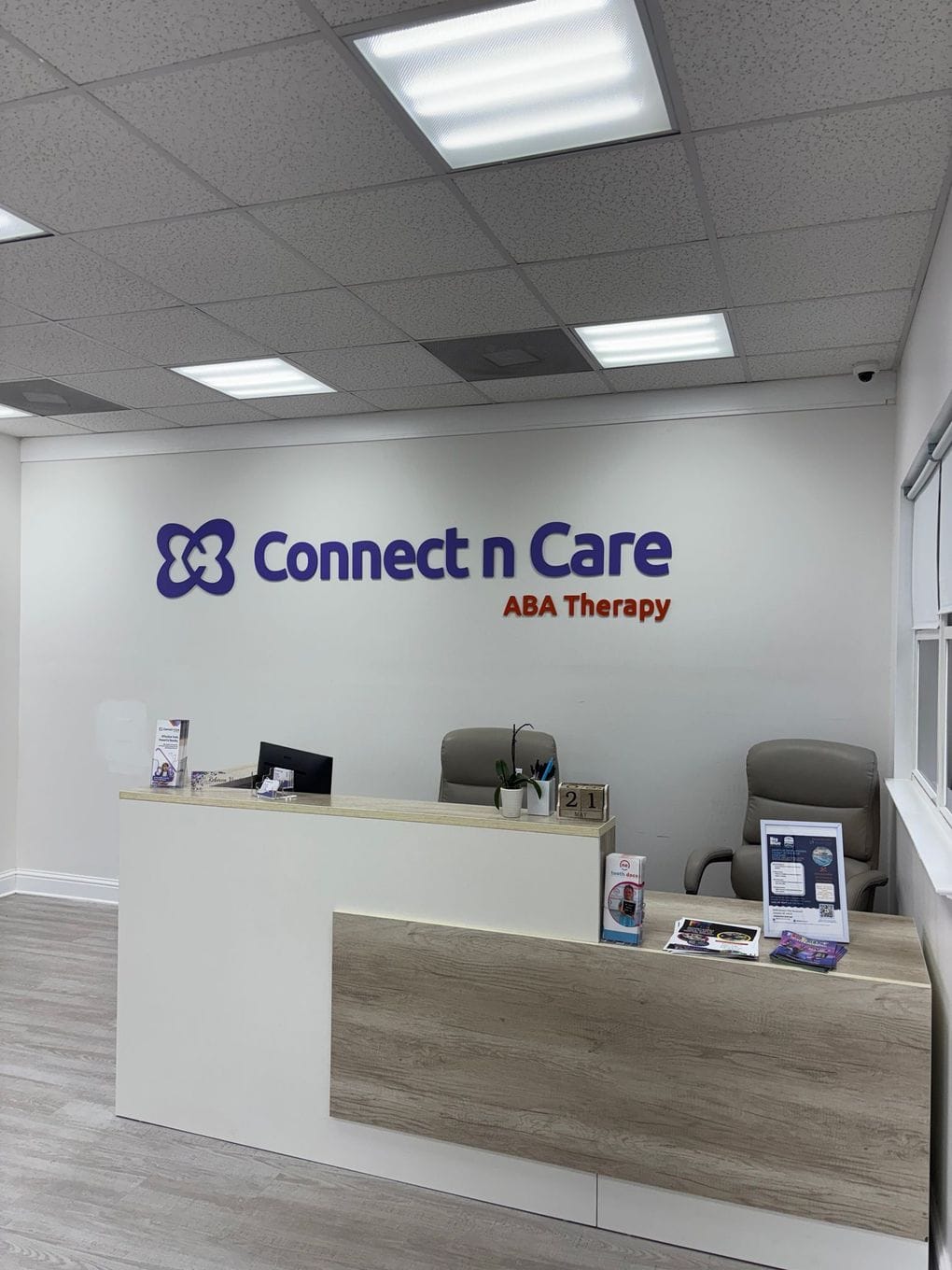
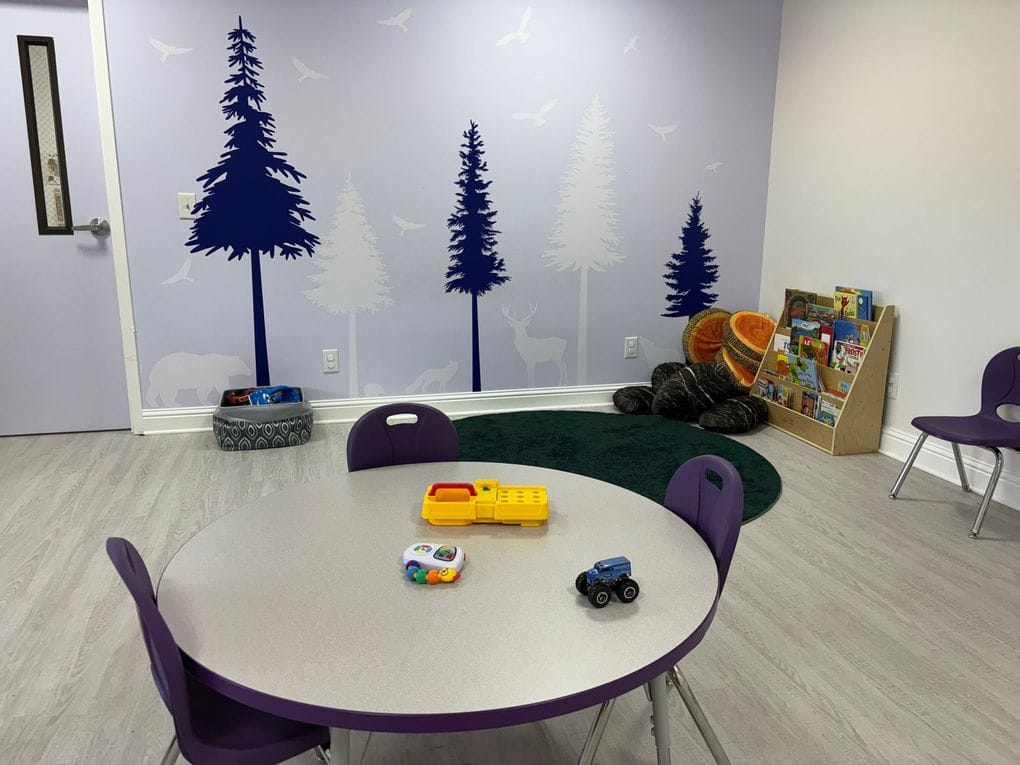
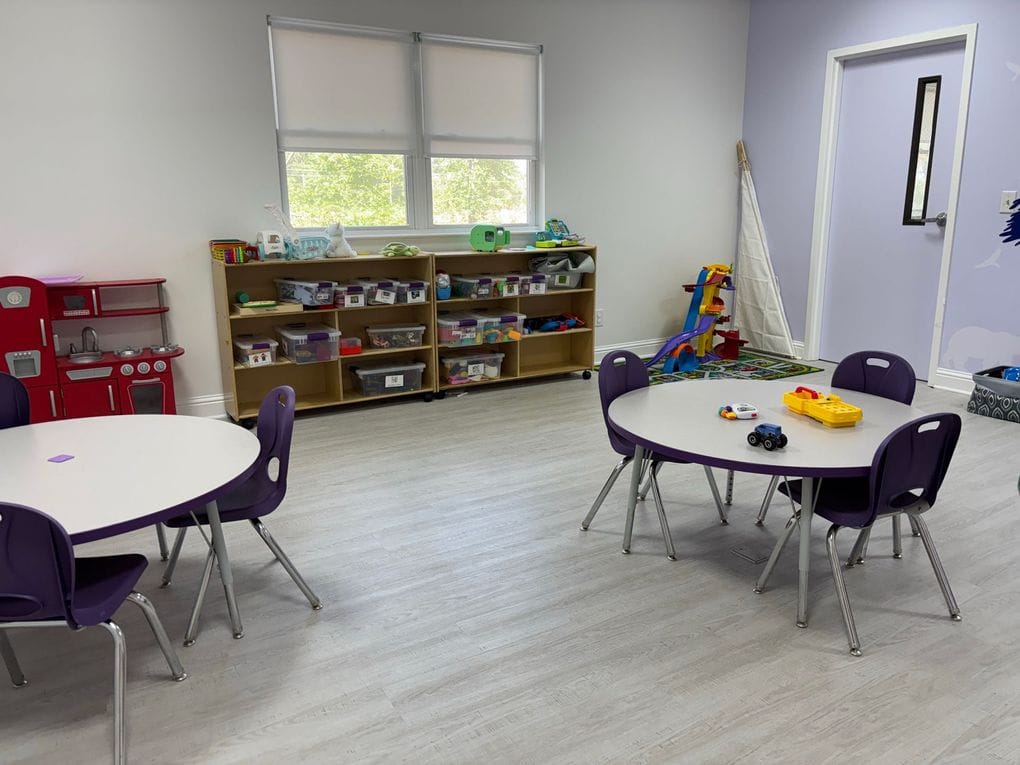
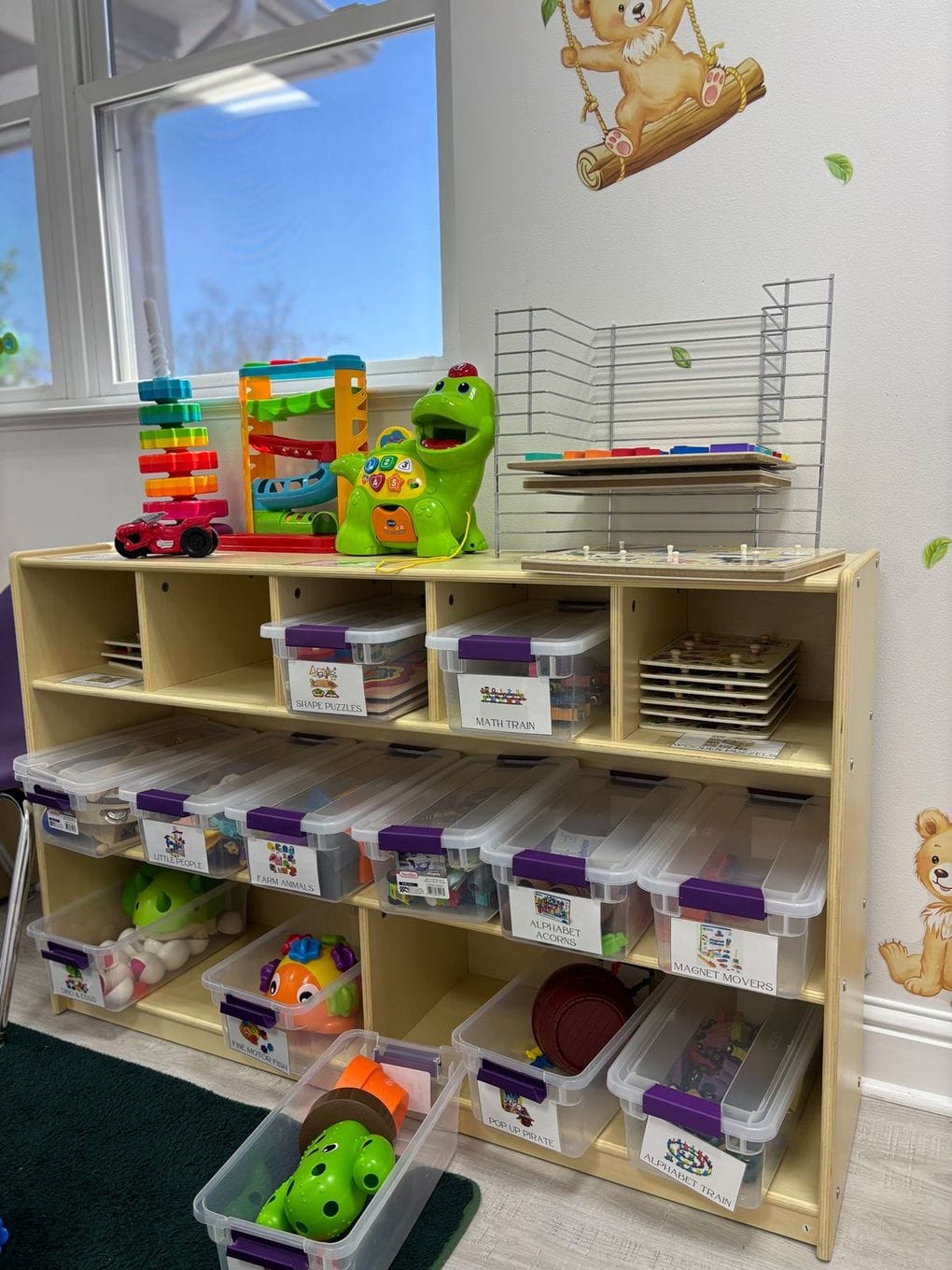
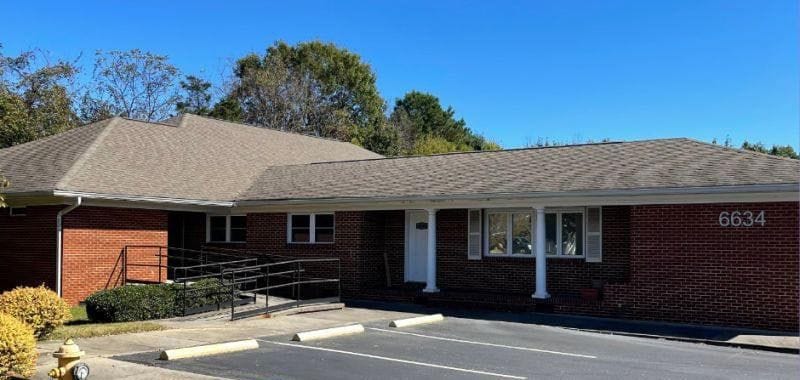
| Where it happens | Our purpose-built Charlotte clinic | Your child's home (or grandparents', daycare, etc.) | Your child's school during the school day |
| Best for | Children who thrive with structure, need low distraction, or benefit from peer interaction | Younger children, daily-living skills, family routines, or families without nearby clinic access | School-age children with classroom-specific challenges (transitions, attention, peer interactions) |
| Session length | 2 to 6 hours per day, often 3 to 5 days per week | 2 to 4 hours per session, scheduled around family routines | Embedded in the school day, typically 1 to 3 hours |
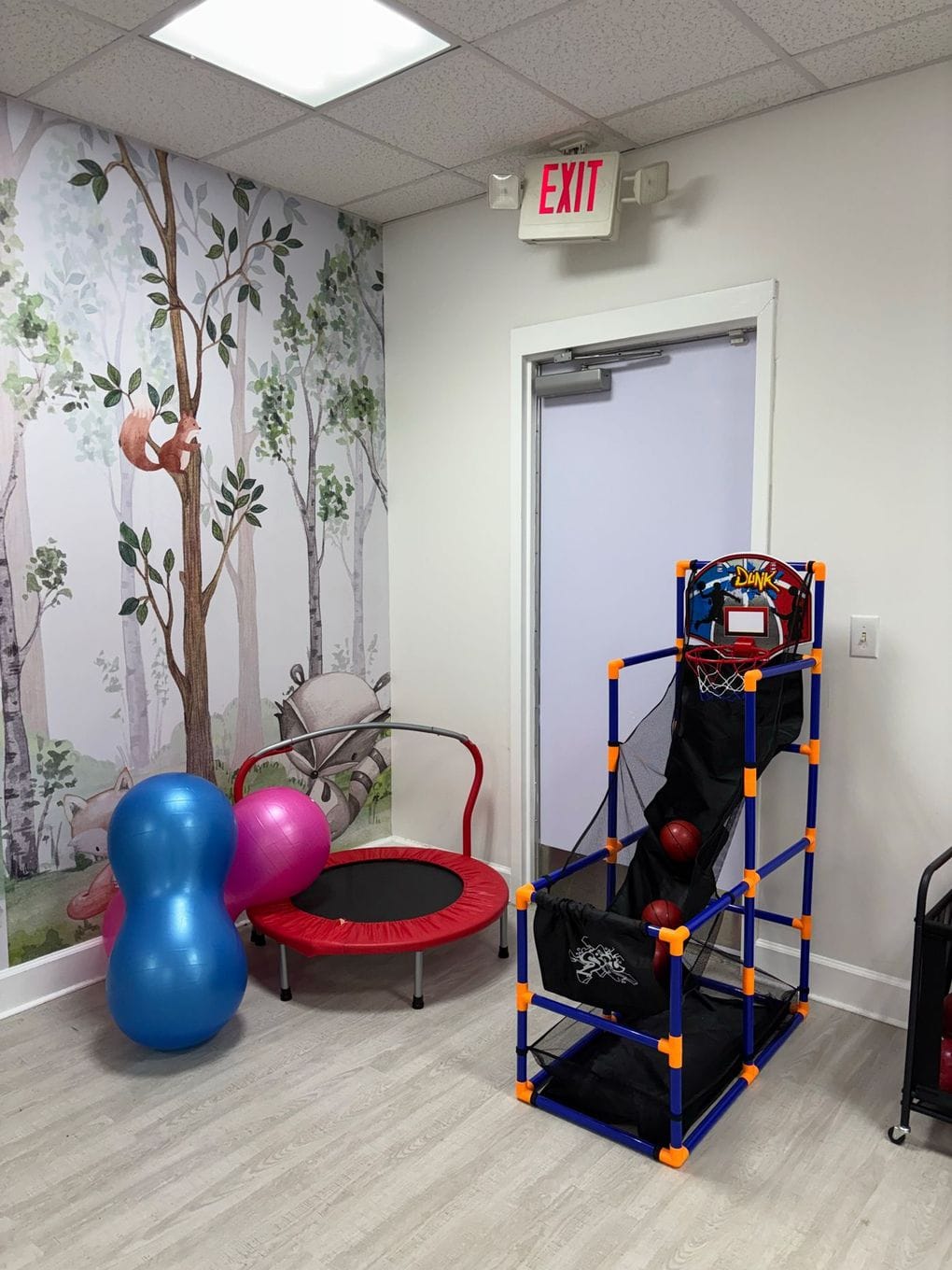
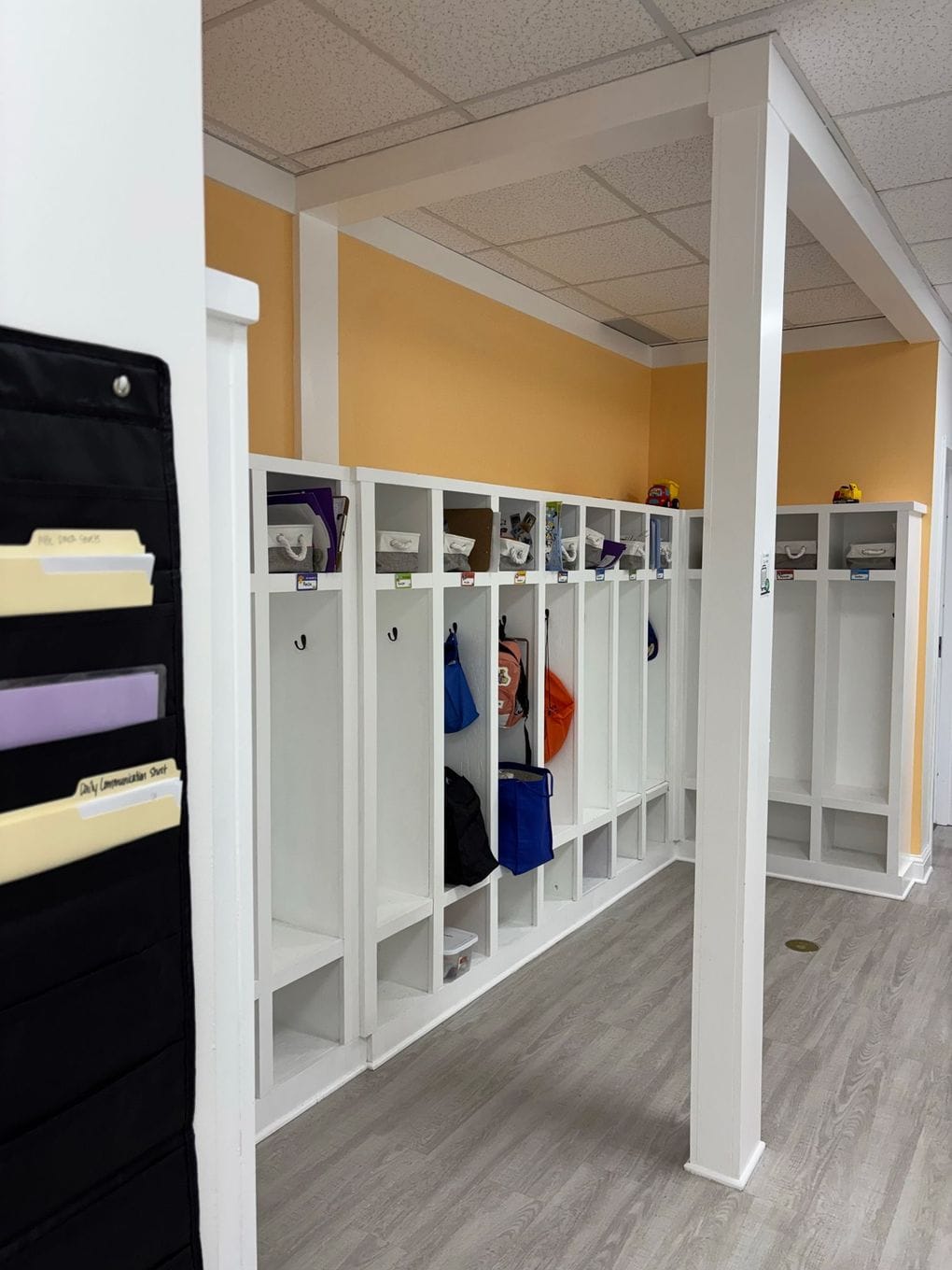
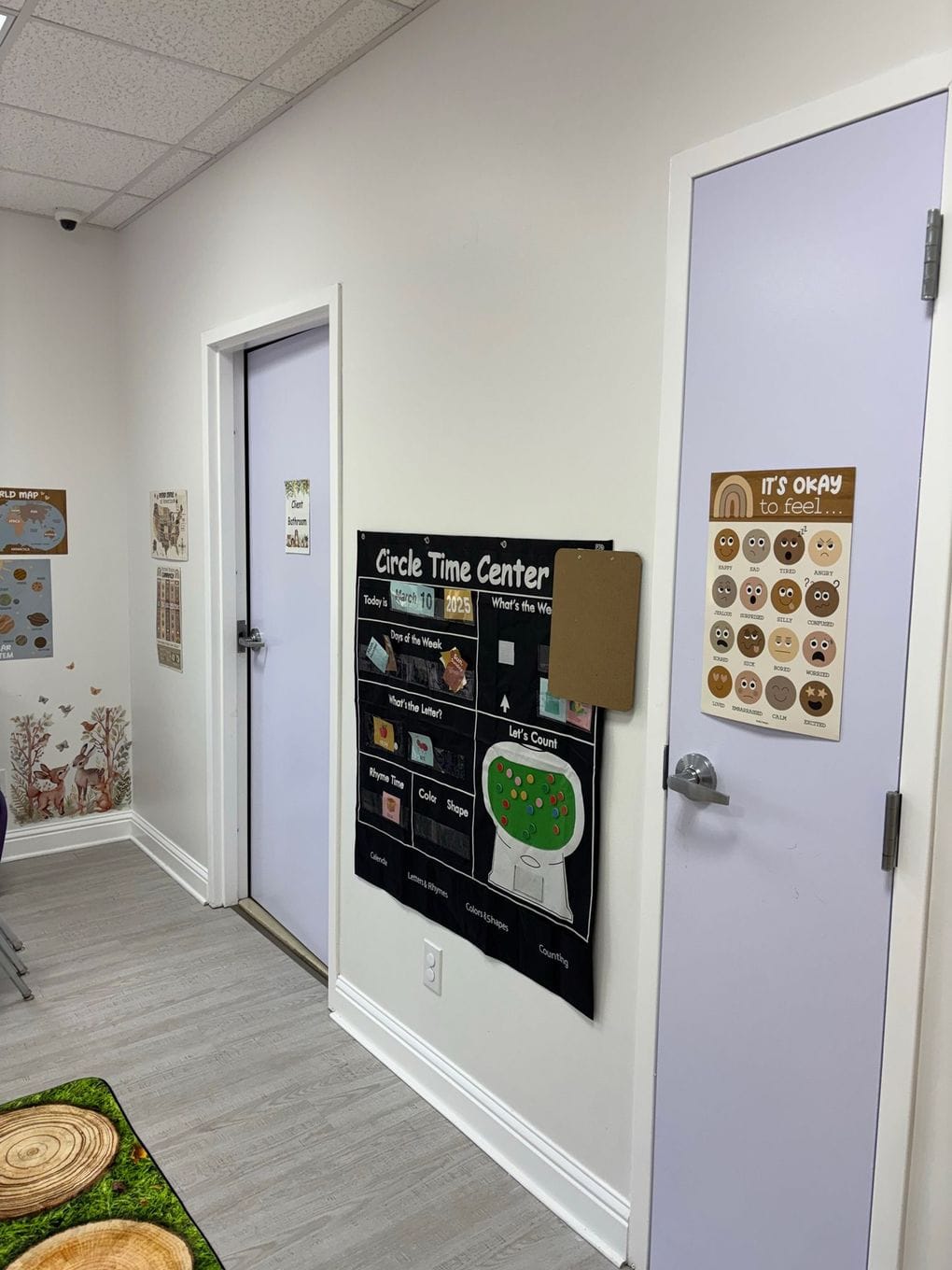
| Key benefits | Distraction-free environment, peer interaction, direct BCBA oversight, specialized equipment, consistent routine | Skills generalize to real-life settings, parent involvement built in, comfortable familiar environment, no commute | Targets skills in the setting where they're needed, supports IEP goals, collaboration with teachers |
| Things to consider | Requires travel to the clinic. Limited generalization to home routines without parent training. | More environmental distractions. Requires a quiet workspace at home. | Limited hours. Depends on school cooperation and scheduling. |
| Parent involvement | Parent training sessions; observation windows; home practice between sessions | High — parents often observe and participate in sessions directly | Moderate — collaboration via meetings, progress reports, and home practice |

 Call 877-262-2221