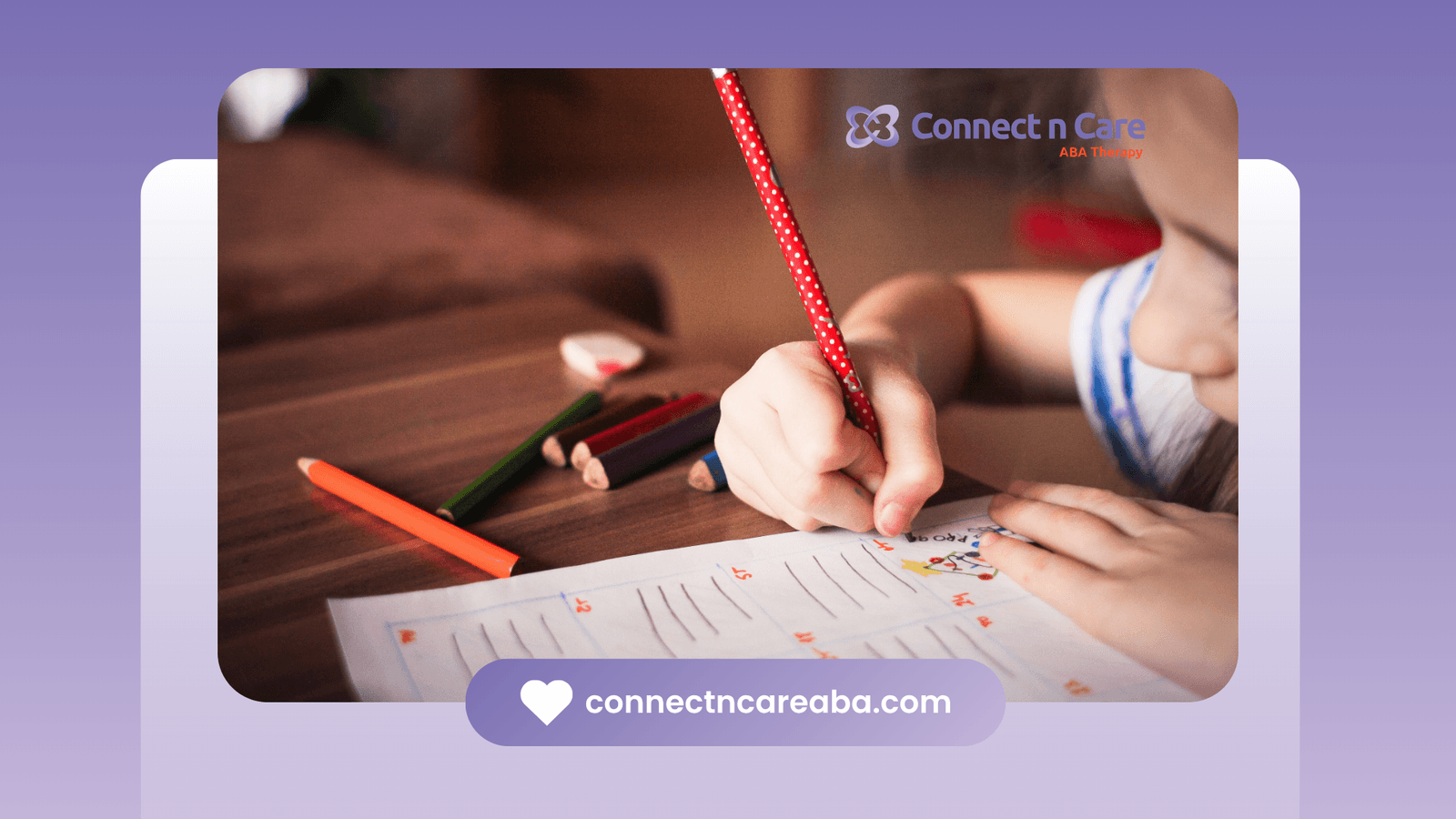

Applied Behavior Analysis (ABA) therapy is a structured and evidence-based approach designed to support children with autism, including those as young as 2 years old. At this early age, ABA therapy focuses on fostering essential skills in communication, social interaction, and daily living.
Key Components of ABA Therapy for Toddlers
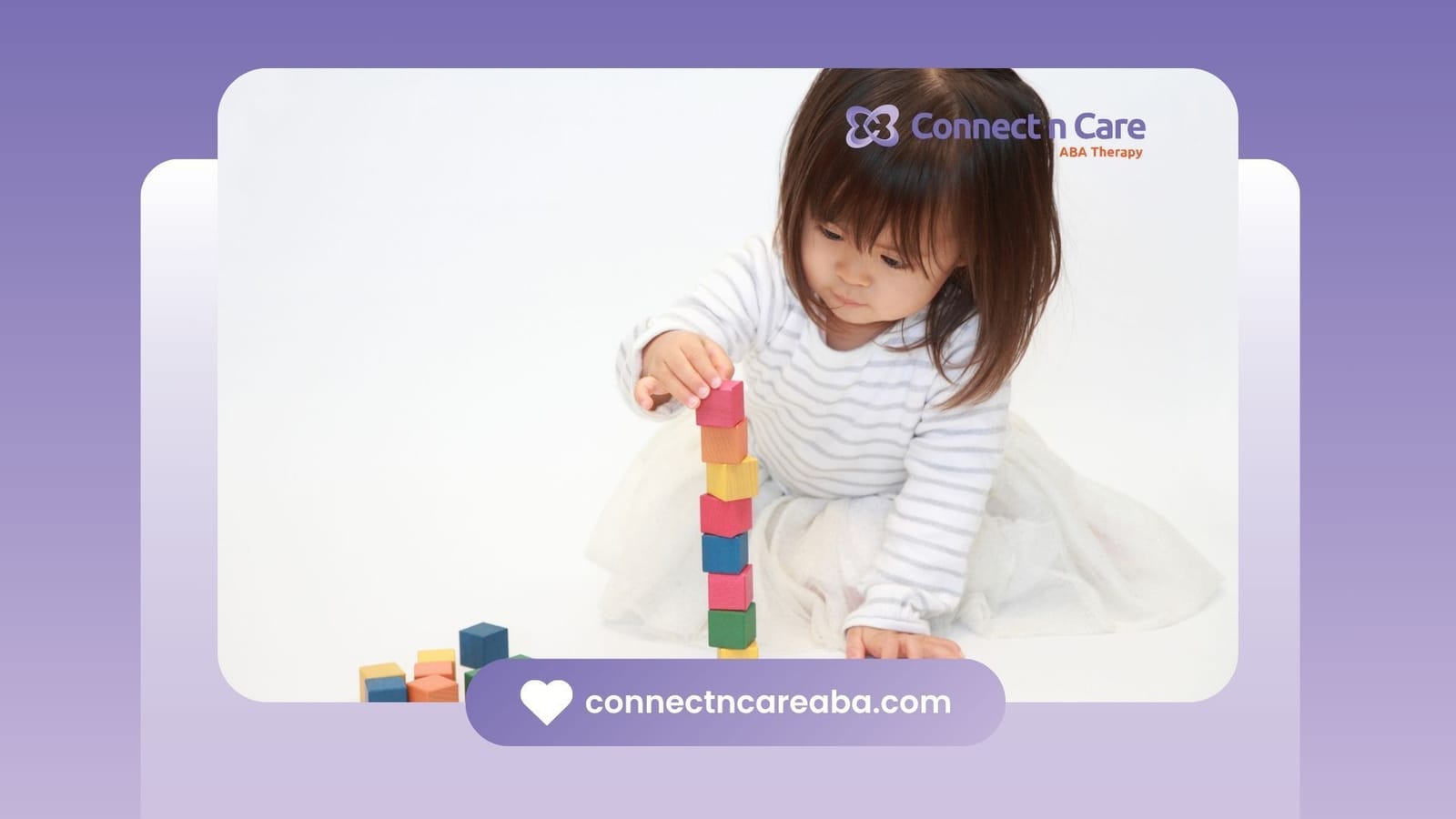
- Play-Based Learning: ABA therapy for toddlers often integrates play into learning. Techniques like the Early Start Denver Model (ESDM) incorporate play to teach new skills in a natural and engaging way.
- Discrete Trial Training (DTT): This method breaks down skills into small, manageable steps, providing clear instructions and immediate feedback to reinforce learning.
- Natural Environment Teaching (NET): NET involves teaching skills in the child's natural environment, making learning more relevant and applicable to daily life.
- Functional Communication Training (FCT): For nonverbal toddlers, ABA therapists may use tools like the Picture Exchange Communication System (PECS) to help them express needs and desires.
Therapy Settings and Duration
ABA therapy sessions for 2-year-olds can take place in various settings, including:
- Home-Based Therapy: Conducted in the child's familiar environment, promoting comfort and consistency.
- Clinic-Based Therapy: Provides a structured setting with specialized resources.
- School-Based Therapy: Supports integration into educational settings.
The frequency and duration of therapy sessions are tailored to each child's needs, with early intervention often leading to better outcomes.
Conclusion
ABA therapy for a 2-year-old is a personalized and dynamic process aimed at enhancing developmental skills through structured and play-based methods. If you're considering ABA therapy for your child, Connect n Care ABA offers specialized programs designed to meet each child's unique needs.
Ready to support your child's development? Contact Connect n Care ABA today to schedule a consultation and learn how our tailored ABA therapy programs can make a difference.