
A center-based ABA program delivers Applied Behavior Analysis therapy at a dedicated clinic, where a Board Certified Behavior Analyst (BCBA) designs your child's plan and trained therapists carry it out in a structured setting. Connect n Care runs center-based ABA in Charlotte, NC. This guide covers what to look for and how to choose one.
Find Out More About Our ABA Center in Charlotte, NC
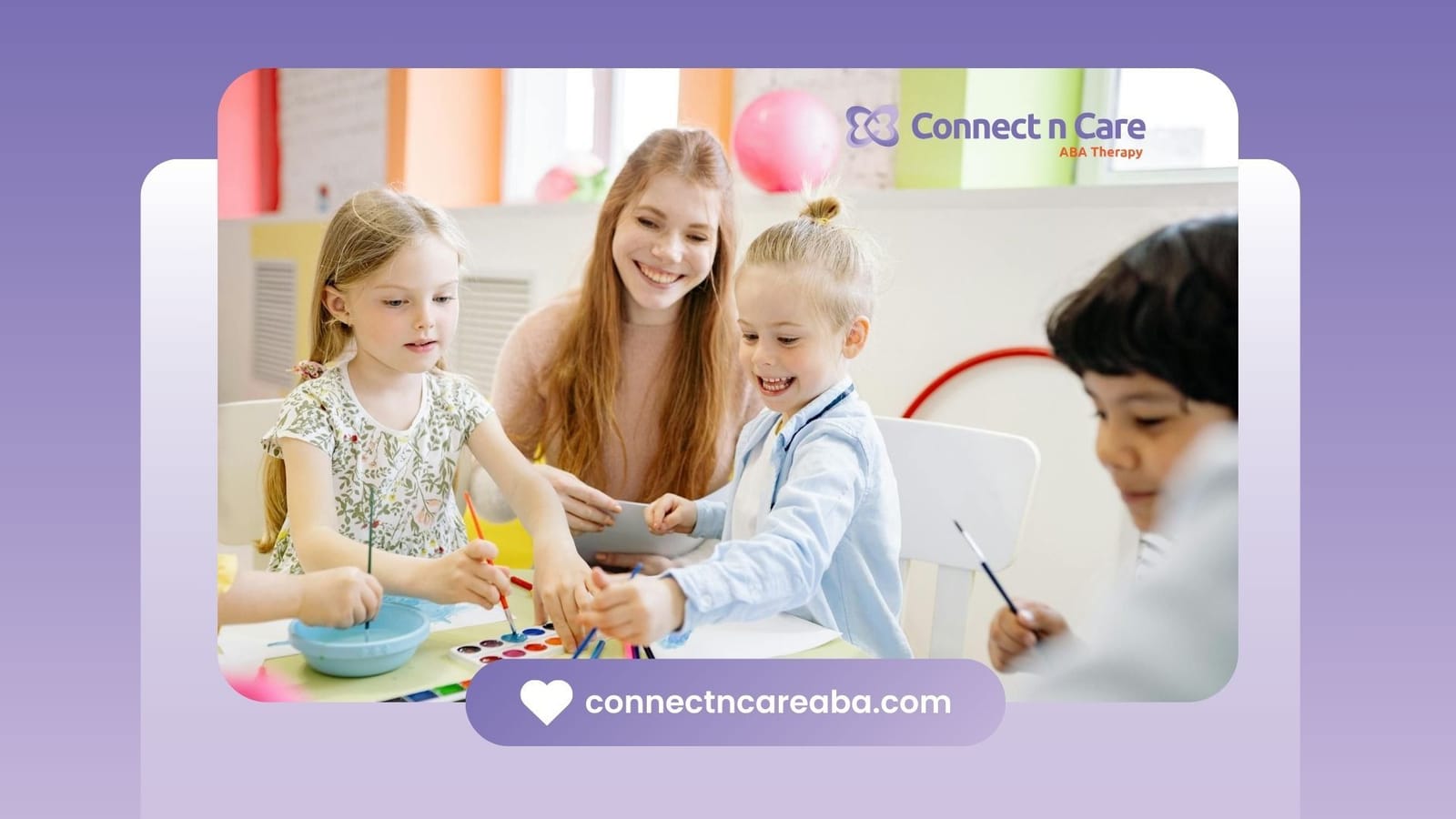
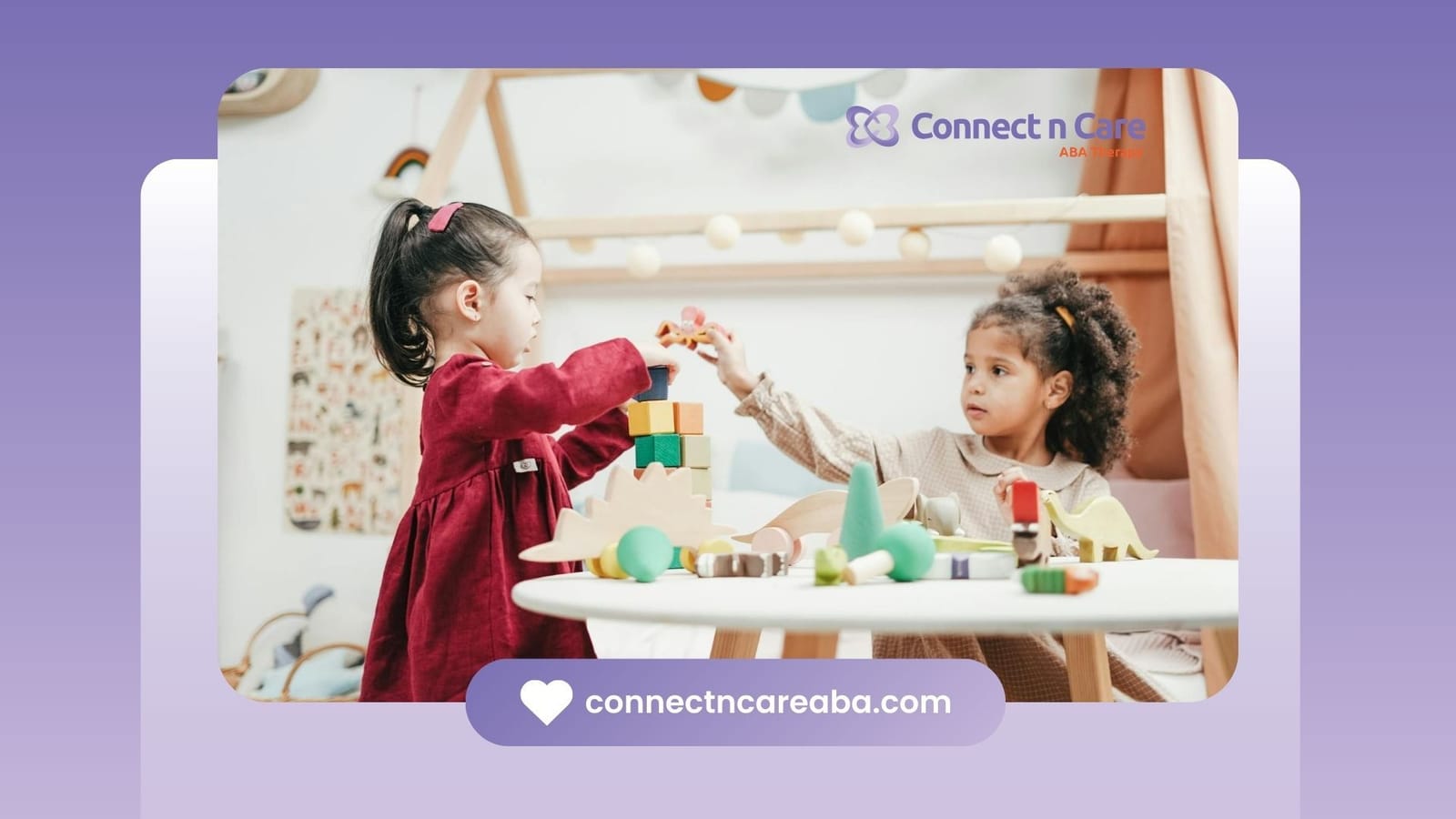
Our Charlotte center provides structured, individualized ABA therapy in a dedicated clinic. Your child works with a team of trained professionals, uses specialized materials, and learns in a consistent setting designed to help them focus and grow. Parents stay involved through ABA parent training, so the skills your child builds in the center carry over at home.
Connect n Care is a BHCOE-accredited practice. Our team also verifies your insurance benefits and submits authorization requests on your behalf, including for Medicaid, so therapy can start without long insurance delays.
Charlotte locations: 6634 Old Statesville Rd, Charlotte, NC 28269 · 10926 David Taylor Dr, Suite 120-101, Charlotte, NC 28262. Call 877-262-2221.
Learn more about ABA therapy in Charlotte, NC and our center-based ABA therapy program. Families in Raleigh can access in-home and school-based ABA, and you can see every area we serve on our North Carolina locations page.
What Is Center-Based ABA Therapy?
What ABA Therapy Involves
ABA therapists are professionals who specialize in using evidence-based techniques to assist individuals with Autism Spectrum Disorder (ASD) and related conditions. Their primary role is to develop and implement behavioral interventions that improve social, communication, and learning skills. In a center, a BCBA develops and oversees the plan while registered behavior technicians (RBTs) deliver much of the day-to-day therapy.
ABA providers in North Carolina operate in various settings, including private clinics, schools, and home-based programs, making their services accessible to a diverse group of individuals.
Why Families Choose a Center
ABA therapy centers serve as vital resources for families and individuals affected by ASD. These centers are staffed with BCBA-led teams of trained therapists who are adept at addressing the complex needs of their clients. The centers not only offer individualized therapy sessions but also provide training for families.
ABA therapy centers in North Carolina offer structured environments where individuals with ASD can learn and grow.
Parents and family members seeking information on local ABA services can find valuable insights by exploring the offerings of ABA therapy services in North Carolina.
Where to Find ABA Therapy Centers in North Carolina
Distribution Across North Carolina
ABA (Applied Behavior Analysis) therapy centers in North Carolina are distributed across the state, with a concentration in major urban areas. The availability of ABA therapy services in North Carolina varies by location, and options tend to cluster around larger cities such as Charlotte, Raleigh and Greensboro.
For parents and family members of children with autism, finding a nearby ABA therapy center is paramount.
Urban vs. Rural Access
The contrast in access to ABA therapy centers between urban and rural areas in North Carolina is significant. Urban regions typically have a higher density of therapy centers, which can be attributed to a larger population and higher demand for services. In contrast, rural areas often face a scarcity of ABA therapists and centers, leading to longer travel times for families seeking treatment.
The disparity in access to ABA therapy between urban and rural areas presents challenges for ensuring that all individuals with ASD receive the support they need. Efforts to increase the number of centers and provide remote services could help bridge this gap. If you live outside a metro area, ask providers about in-home and school-based options, and whether telehealth is available, alongside center-based care. Our guide to telehealth ABA services explains what remote support can look like.
Area Type | Access to ABA Therapy Centers |
|---|---|
Urban | Higher density, more accessible |
Rural | Lower density, less accessible |
To explore the availability of ABA therapy and the qualifications of professionals offering these services, readers can visit ABA therapist in North Carolina.
How to Search for Centers Near You
- Ask your child's diagnosing provider or pediatrician for referrals.
- Check your insurer's in-network provider directory. If your child has NC Medicaid, contact your managed care organization (MCO) for its list of ABA providers.
- Verify each supervising BCBA's certification through the BACB.
- Contact two or three centers and compare them using the criteria in "How to Choose an ABA Center in North Carolina" below.
BCBA, BCaBA and RBT: Who Will Work With Your Child?
Ensuring that Applied Behavior Analysis (ABA) therapists possess the right qualifications is crucial for delivering effective therapy. Knowing the credentials behind your child's team makes it easier to compare centers with confidence.
Credentials to Look For
Behavior analysts who design and supervise ABA programs are certified by the Behavior Analyst Certification Board (BACB), and you can verify a BCBA's credential with the BACB before you enroll. These are the three credentials you will see at a center:
- Board Certified Behavior Analyst (BCBA): Requires a minimum of a master's degree in behavior analysis or a related field, along with supervised practical experience. In a center, the BCBA writes your child's treatment plan, reviews progress data and oversees the therapy team.
- Board Certified Assistant Behavior Analyst (BCaBA): Requires a bachelor's degree and supervision by a BCBA, along with adequate fieldwork.
- Registered Behavior Technician (RBT): Delivers much of the hands-on, day-to-day therapy and works under the ongoing supervision of a BCBA or BCaBA.
For more detailed information on the certification process, visit ABA therapist certification in North Carolina.
How to Choose an ABA Center in North Carolina
Not every ABA center runs the same way. Use these criteria to compare your options, and ask each provider the questions below before you commit.
1. BCBA supervision and caseload
Ask who writes and updates your child's treatment plan, how often that BCBA directly observes your child, and how many children each BCBA oversees. The BACB sets a minimum supervision requirement for RBTs based on the hours they work each month. Treat that as a floor, not a target. A center that can explain exactly how supervision works for your child is a good sign. For more on caseloads, read BCBA Caseload: How Many Kids Can a BCBA Handle?
2. Credentials and accreditation
Confirm that the supervising BCBA holds an active BACB certification. Ask whether the center is accredited by the Behavioral Health Center of Excellence (BHCOE), an independent accreditation for ABA providers. Connect n Care is a BHCOE-accredited practice.
3. Insurance accepted
Ask whether the center is in-network with your plan and who handles benefits verification and prior authorization. In North Carolina, Medicaid ABA coverage runs through NCDHHS and managed care organizations such as Alliance Health, Trillium, Vaya and Partners, and each has its own approval steps. Browse our insurance coverage guides to see how your plan handles ABA.
4. Waitlist length
Ask for a realistic start date, how the waitlist works, and whether the provider can offer another setting while you wait. Waitlists change often, so ask each center for a current estimate instead of relying on a figure you found online.
5. In-home, center-based or school-based
The right setting depends on your child's needs and your family's routine. Many families compare all three.
Setting | What it looks like |
|---|---|
In-home | Therapy in your own home, building skills in the routines where your child needs them |
Center-based | Structured therapy in a dedicated clinic, with a team of trained professionals, specialized materials and a consistent setting |
School-based | Support during the school day, including the classroom, lunch and recess |
For a deeper comparison, read Home-Based or Center-Based ABA Therapy: Making the Right Choice.
6. Family involvement and communication
Ask how often you will receive progress updates and whether parent training is included, since it helps you reinforce skills between sessions. If you can, visit the center and watch a session. Then read What Are the Red Flags in ABA Therapy? so you know what to look for.
Frequently Asked Questions
How much does ABA therapy cost in North Carolina?
Cost depends on how many hours of therapy your child's plan recommends each week, the provider, the setting, and what your insurance covers, including your deductible, copays and out-of-pocket maximum. Insurance or Medicaid often covers a large share of the cost. For a full breakdown of cost factors and ways to manage them, read ABA Therapy Cost in North Carolina.
Does Medicaid cover ABA therapy in North Carolina?
Yes. NC Medicaid covers ABA therapy for eligible children, administered through NCDHHS and managed care organizations. Approval depends on eligibility, EPSDT provisions and medical-necessity criteria, and ABA requires prior authorization, so confirm your benefits with your specific MCO before therapy begins. Connect n Care verifies Medicaid benefits and submits authorization requests for you. Read the full guide: Does Medicaid Cover ABA Therapy?
How long is the waitlist for ABA therapy in North Carolina?
It varies by provider, location and setting, and it changes often, so ask each center for a current estimate. To shorten your wait, join more than one waitlist, ask about other settings in the meantime, and have your child's diagnosis paperwork and insurance details ready. To ask about current availability at our Charlotte center, call 877-262-2221.
Ready to see whether center-based ABA is the right fit? Call 877-262-2221 or contact our team to talk through your options in Charlotte and across North Carolina.